Knowledge Graph
A Google knowledge base containing facts and relationships between entities for search results and AI.

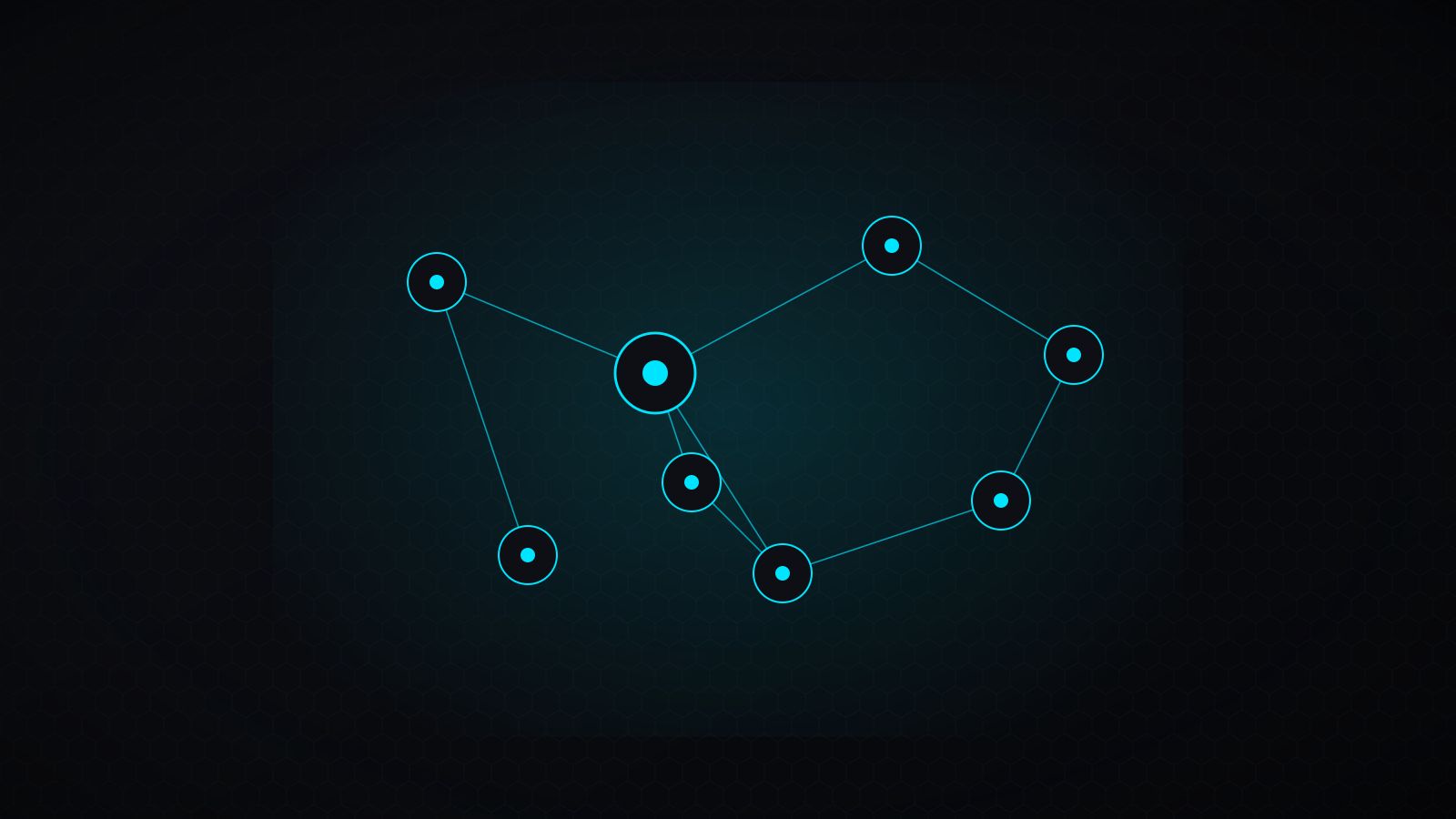
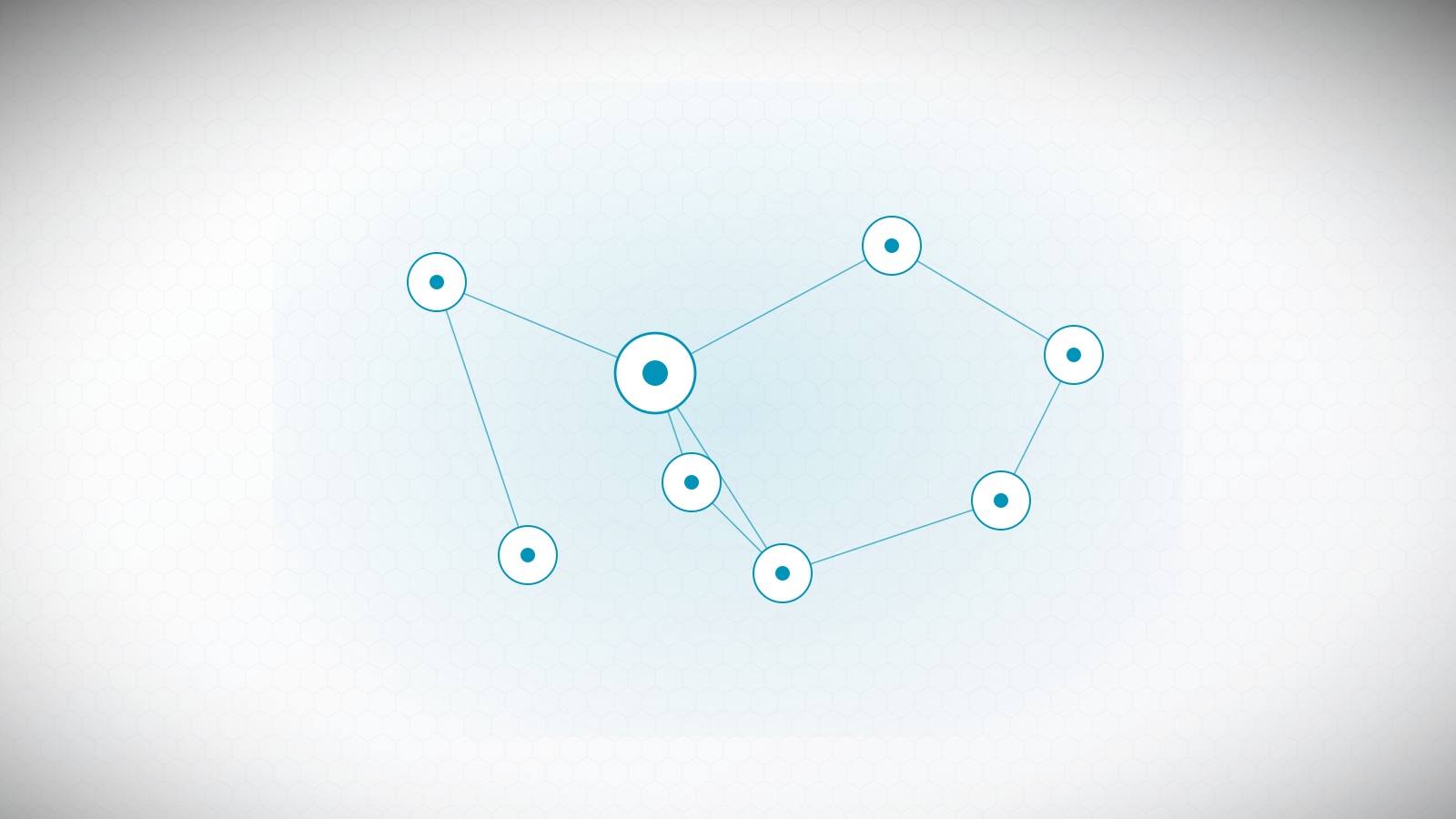
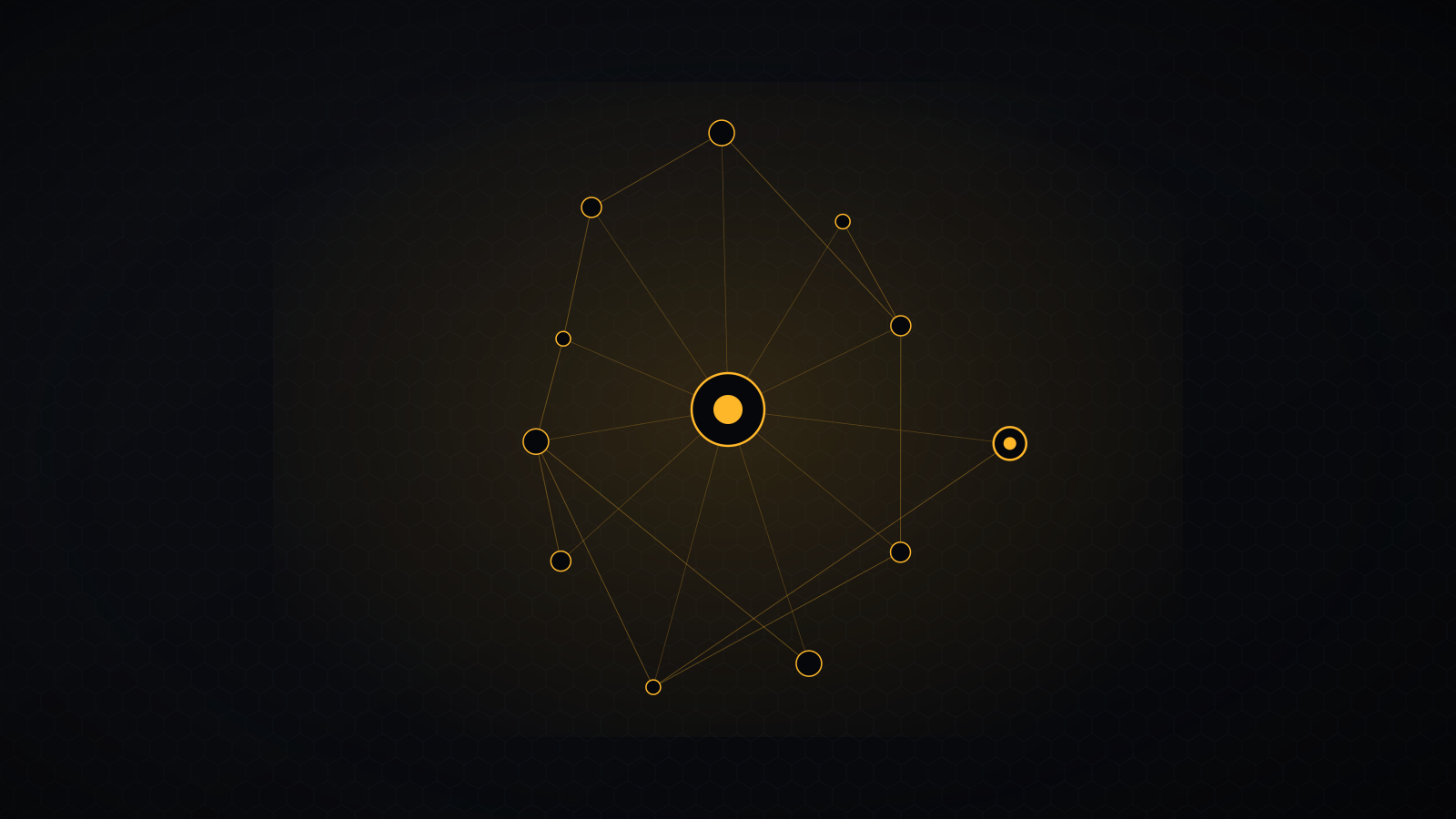
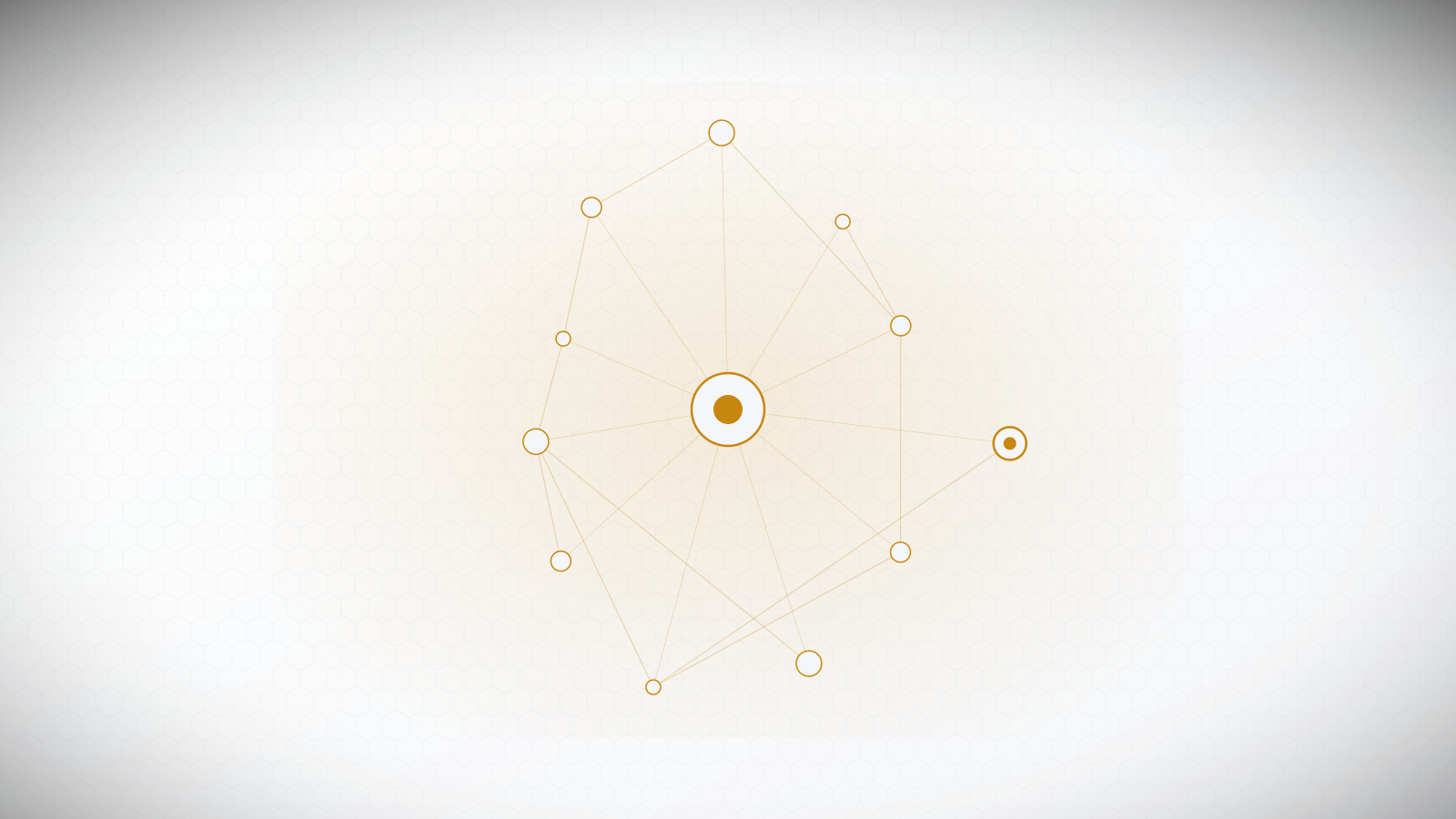
The Knowledge Graph is Google's knowledge base containing information about millions of entities (people, places, organizations, concepts) and their relationships. Introduced in 2012, it forms the foundation for knowledge panels, rich results — bibliotheekterm, and AI-generated answers.
How does your business get in the Knowledge Graph?
Entities are added from multiple sources: Wikipedia, Wikidata, official websites with Schema.org markup — bibliotheekterm, Google Business Profile — bibliotheekterm, and trusted databases. Consistent, structured information across all channels increases your chances.
Knowledge Graph and AI
Google's AI models use the Knowledge Graph as one of their primary knowledge sources. If your business or brand is a Knowledge Graph entity, you're considered more trustworthy and cited more often in AI answers. Entity SEO — bibliotheekterm, optimizing for the Knowledge Graph, is becoming increasingly important.
Step-by-step: how to get in the Knowledge Graph
- Claim your Google Business Profile. This is the most direct way to become a local entity in the Knowledge Graph. Complete all fields: name, address, phone number, business hours, category, description, and photos.
- Implement Schema.org Organization markup. Add JSON-LD to your homepage with your business name, logo, contact details, social media links (sameAs), and founding date. This confirms your identity as an entity.
<script type="application/ld+json"> { "@context": "https://schema.org", "@type": "Organization", "name": "Your Company Name", "url": "https://yourcompany.com", "logo": "https://yourcompany.com/images/logo.png", "foundingDate": "2015-03-01", "founders": [{"@type": "Person", "name": "John Smith"}], "address": { "@type": "PostalAddress", "streetAddress": "123 Example Street", "addressLocality": "Amsterdam", "postalCode": "1000 AA", "addressCountry": "NL" }, "sameAs": [ "https://linkedin.com/company/yourcompany", "https://twitter.com/yourcompany", "https://en.wikipedia.org/wiki/Your_Company_Name" ] } </script> - Get a Wikipedia page. Wikipedia is one of the most important sources for the Knowledge Graph. Your organization must be "notable" according to Wikipedia guidelines. Have an experienced Wikipedia editor create the page, don't write it yourself.
- Create a Wikidata item. Wikidata is the structured database behind Wikipedia and a direct source for the Knowledge Graph. Create an item for your organization with all relevant properties: name, type, founder, founding date, website, social media.
- Ensure consistent NAP — bibliotheekterm data. Your business name, address, and phone number must be identical on your website, Google Business Profile, social media, industry associations, and all other online mentions.
- Build authority with mentions and backlinks. Mentions in trustworthy sources (news media, trade publications, government registries) confirm your entity status. Focus on mentions in authoritative sources, not quantity.
- Use sameAs links consistently. Link all official profiles to each other via sameAs in Schema.org and through mutual linking. This helps Google recognize all mentions as the same entity.
Tools to check your Knowledge Graph status
- Google Knowledge Graph Search API: search for your company name to see if you're a Knowledge Graph entity
- Google search: search for your company name and check if a Knowledge Panel appears on the right side
- Wikidata: search on wikidata.org to see if an item exists for your organization
- Google Search Console: check if your Schema.org markup is correctly recognized
Frequently asked questions
How long does it take to get in the Knowledge Graph?
This varies significantly. If you already have a Wikipedia page and consistent Schema.org, it can happen within weeks. Without this foundation, it can take months to years. The key is consistency: the same information across all channels, confirmed by trustworthy sources.
Does my business need to be large to get in the Knowledge Graph?
Not necessarily. Local businesses with a Google Business Profile already appear in a limited form of the Knowledge Graph. For a full Knowledge Panel, you do need "notability": you must be mentioned in independent, trustworthy sources.
Can I claim and edit my Knowledge Panel?
Yes. If you have a Knowledge Panel, you can claim it through Google. After verification, you can suggest changes for incorrect information. You can't fully control the content yourself, but you can request corrections.
What is the relationship between Knowledge Graph and Entity SEO?
Entity SEO is the strategy of getting your business or brand recognized as an "entity" by Google, rather than just as a collection of keywords. The Knowledge Graph is where Google stores those entities. Entity SEO is the path, the Knowledge Graph is the destination.
Does the Knowledge Graph influence AI Overviews?
Yes, significantly. Google's AI models use the Knowledge Graph as one of their primary knowledge sources. Entities in the Knowledge Graph are considered more trustworthy and have a greater chance of being cited in AI Overviews. It's an important part of your AEO — bibliotheekterm strategy.